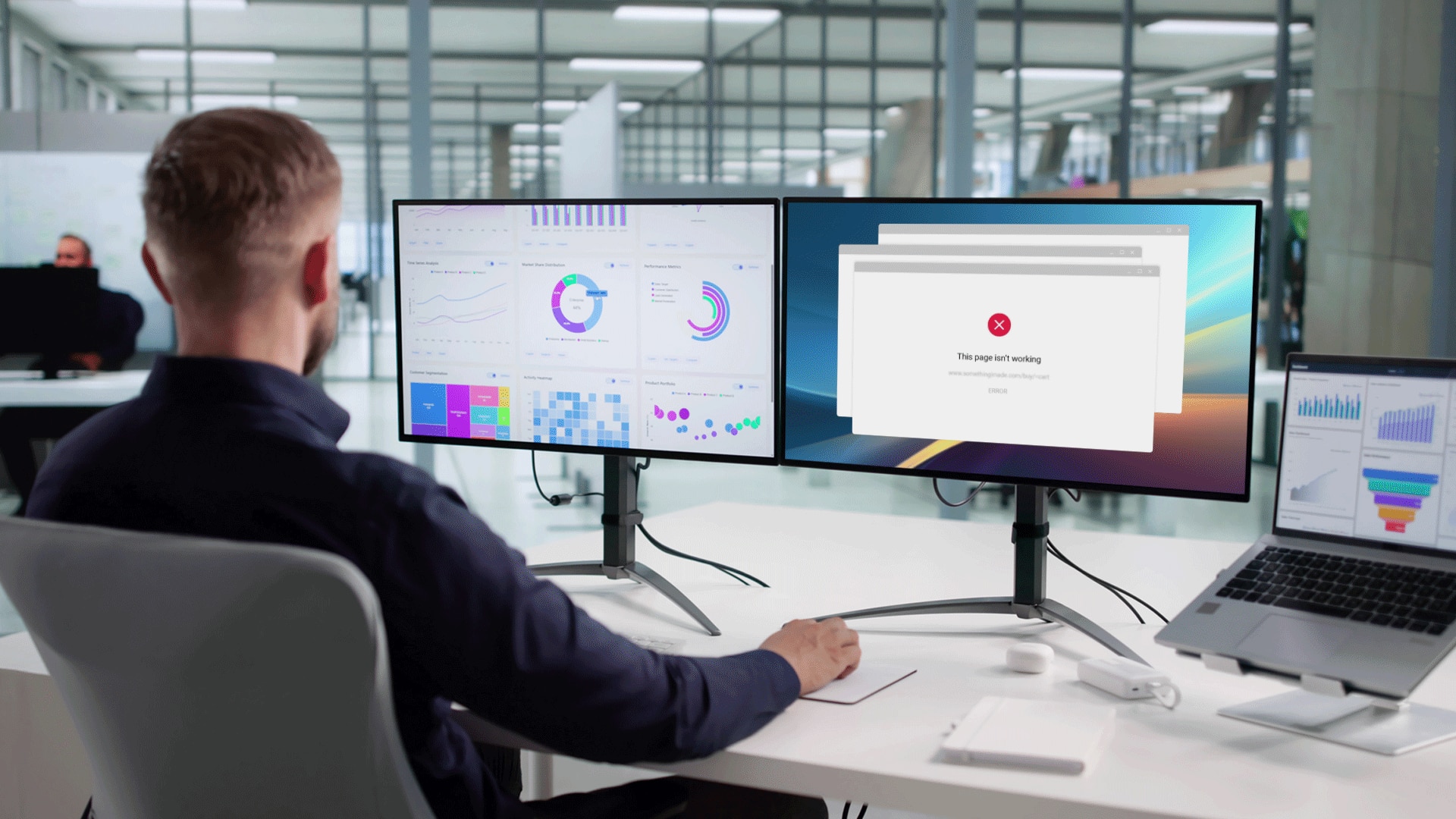
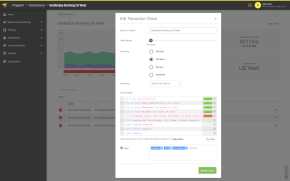
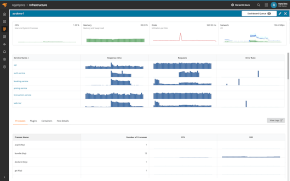

In the race to provide full-stack visibility, many modern SaaS platforms have inadvertently created a new problem: information overload. High-end enterprise solutions are designed for companies with dedicated Site Reliability Engineering (SRE) teams that spend their entire day inside a dashboard. But for many businesses, this level of granularity is a distraction. The real question isn’t whether a tool is powerful; it’s whether it fits the everyday needs of your team. Is an effective website monitoring tool with a simple user interface what your organization really needs?
Efficient Website Monitoring for Smaller Teams
Businesses may generate millions in revenue but operate with small, high-impact internal teams. In this environment, every employee wears multiple hats. One person can find themselves:
- Creating the digital marketing strategy while simultaneously managing the site engine and hosting environment.
- Responsible for hundreds of digital assets, including sites, services, and third-party APIs.
- Needing a reliable source of truth to determine if a site is actually down or if the user is at fault.
- Requiring a tool that is easy to install and provides near real-time notifications without a systems engineer.
For these professionals, configuration friction is the enemy. When you are managing a digital footprint that includes hundreds of sites, tools, and APIs, you cannot afford a tool that requires a multi-step process just to upload and visualize basic metrics. If a platform requires you to manually build a custom dashboard and filter raw data just to see if your gift card program is active, it’s the wrong tool for your scale. In this context, you need a “turnkey” solution that scales with your vision but doesn’t require you to hire a systems engineer just to read a report.
Maintaining Uptime for a Physical-First Company
Think of retail giants or travel services where the core business happens in malls, hotels, or airports. For these businesses, the website is the digital storefront: it is vital, but it isn’t the core infrastructure of the entire corporation. When digital is a pillar of the business but not the core business, budget and time are often prioritized toward the physical world. These teams need an “outside-in” perspective that doesn’t add to their overhead. They need a tool that offers quick, objective verification of system uptime and response time. For these users, a complex SaaS maze is a distraction from their primary goal: ensuring that consumer-facing apps and Wi-Fi signage function during high-traffic periods like Black Friday. They don’t need to know why a container failed; they just need a reliable source of truth to tell them the site is slow so they can call their providers and enforce their SLAs.
Simple Multi-Site Performance Monitoring
Finally, there is the reality of rapid growth and high-volume digital asset management. If you are responsible for maintaining global reach and speed across a large portfolio of sites, your priority is consistency. You aren’t looking for a tool to monitor one single, massive database; you are looking for a way to monitor hundreds of different endpoints across dozens of countries.
In this scenario, the most valuable asset isn’t a complex query language; it’s historical context and simplicity. These teams need the ability to:
- Jump immediately into a dashboard during deployments to see if load times have changed compared to a previous baseline.
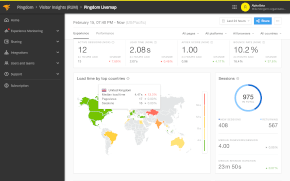
- Detect regional downtime in specific cities like Amsterdam or Stockholm that might be impacting customers even if the global status is green.
- Diagnose “slow site” reports in seconds to determine if the issue is a local disturbance or a global performance failure.
- Bypass the “enterprise maze” by using a dedicated tool that allows for instant action across a massive portfolio of sites.
By choosing a dedicated, simplified monitoring tool over an enterprise maze, these teams can act on changes instantly, ensuring that a “site is slow” report is diagnosed and addressed before it impacts the bottom line.
Find a User Interface that Suits Your Business
If your team spends its day managing infrastructure, you need the depth of a full observability suite. But if your team spends its day managing a business, you need a tool that gets out of your way.
Pingdom is built specifically to bridge these gaps, offering a streamlined interface that prioritizes clarity over clutter. By focusing on the binary essentials like uptime and page speed, Pingdom serves as the objective third-party that lessens the burden of support and reporting. It allows you to stop managing your monitoring tool and get back to doing better things for your customers.
Tired of fighting with complex dashboards?
Whether you’re a lean team at a large firm or an agency supporting thousands of clients, discover the simplicity of a tool designed for your context.
Start Your Simple Uptime Check
Click here to start a free trial. Fully functional for 30 days. No credit card required.